Pieter van Foreest
Pieter van Foreest is one of the leading Nursing Home spreaded across South-Holland. They worked together with The Hague University of Applied Sciences to create innovative products to improve their resident's life quality. One of the products that was further researched was an immersive experience product, which I took over the responsibility of for my graduation project.
Problem Statement
Residents in Pieter van Foreest are showing more signs of worsening dementia condition due to lack of physical and mental stimulation. At the same time, existing products that helps stimulate their activities are too high-maintenance for caregivers to use as they have insufficient time to accommodate these needs
Target Groups
Residents with Dementia
Residents with Somatic Disabiities
Impact Given (Qualitative)
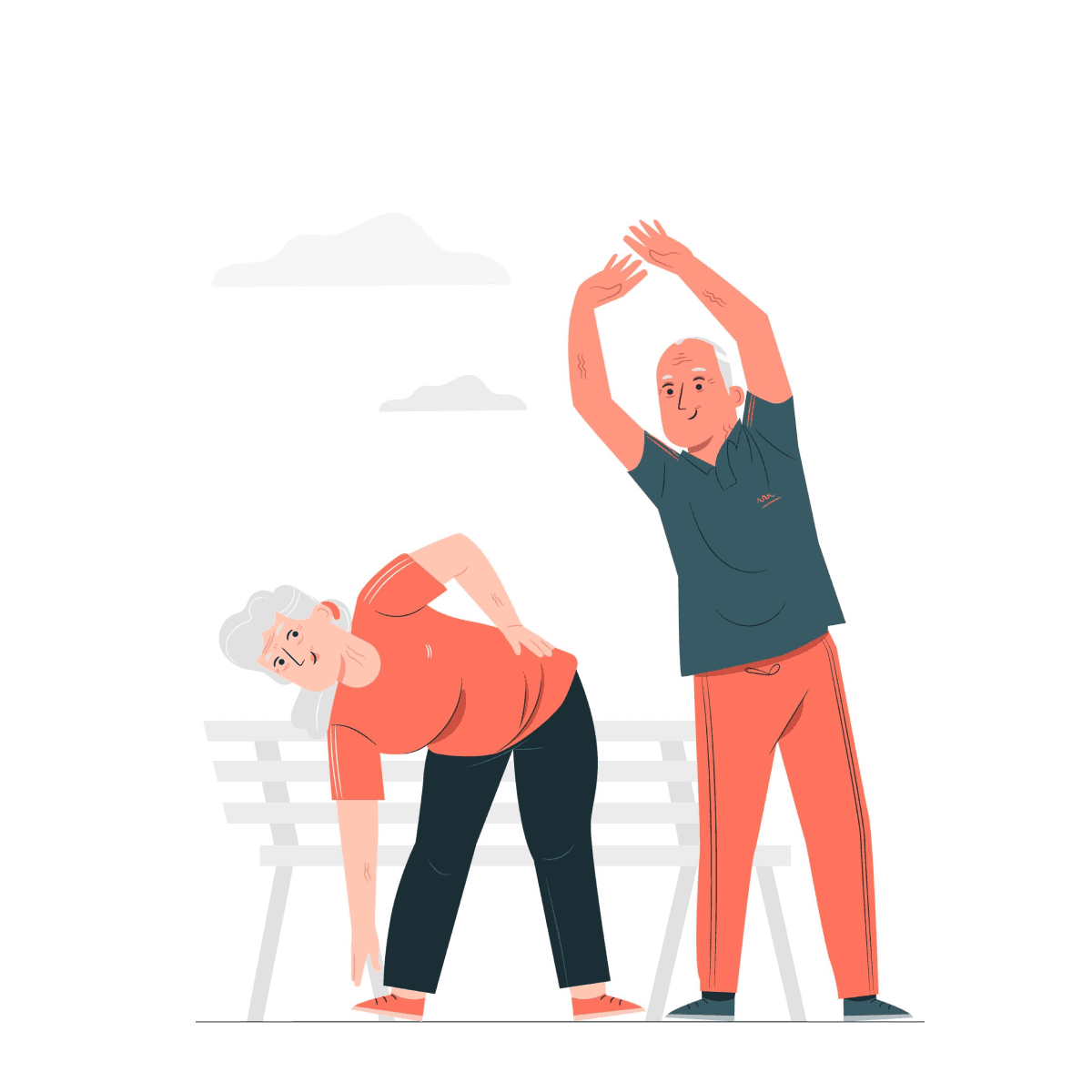
Enhanced Physical Activity
Residents, including those with advanced dementia, exhibited increased movement and physical engagement, demonstrating a willingness to reach out and interact with the product.
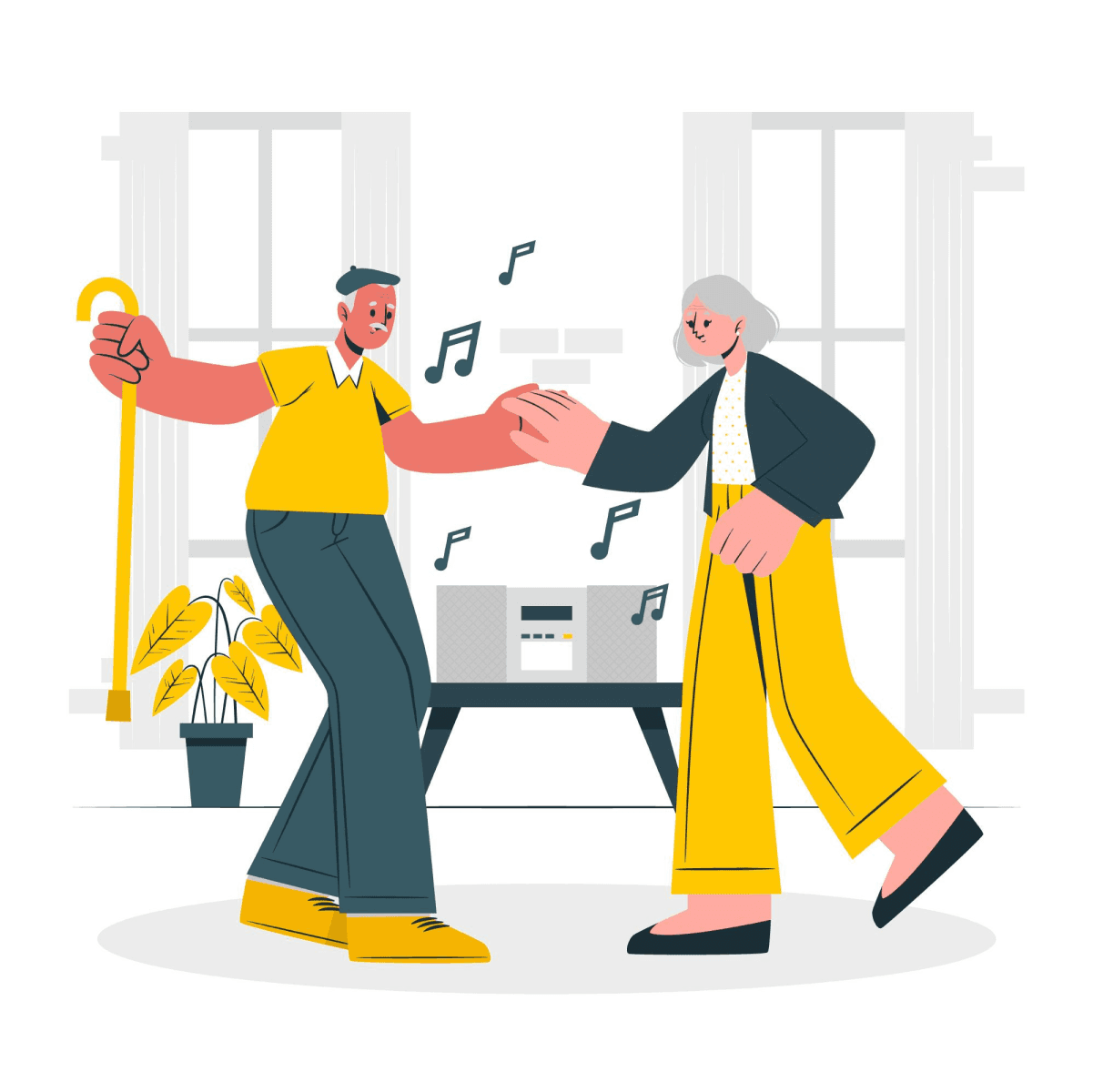
Improved Social Engagement
Residents actively participated in conversations, shared laughter, and reminisced about their experiences while using the product, which stimulated their memories and a sense of connection with others.
Context & Research
Let's get to know a little about Dementia
Dementia causes memory loss & behavioural issues which are affected by Overstimulation and Understimulation (Cerejeira et al., 2012)
or Imbalanced Stimuli. (Kovach, 2012)
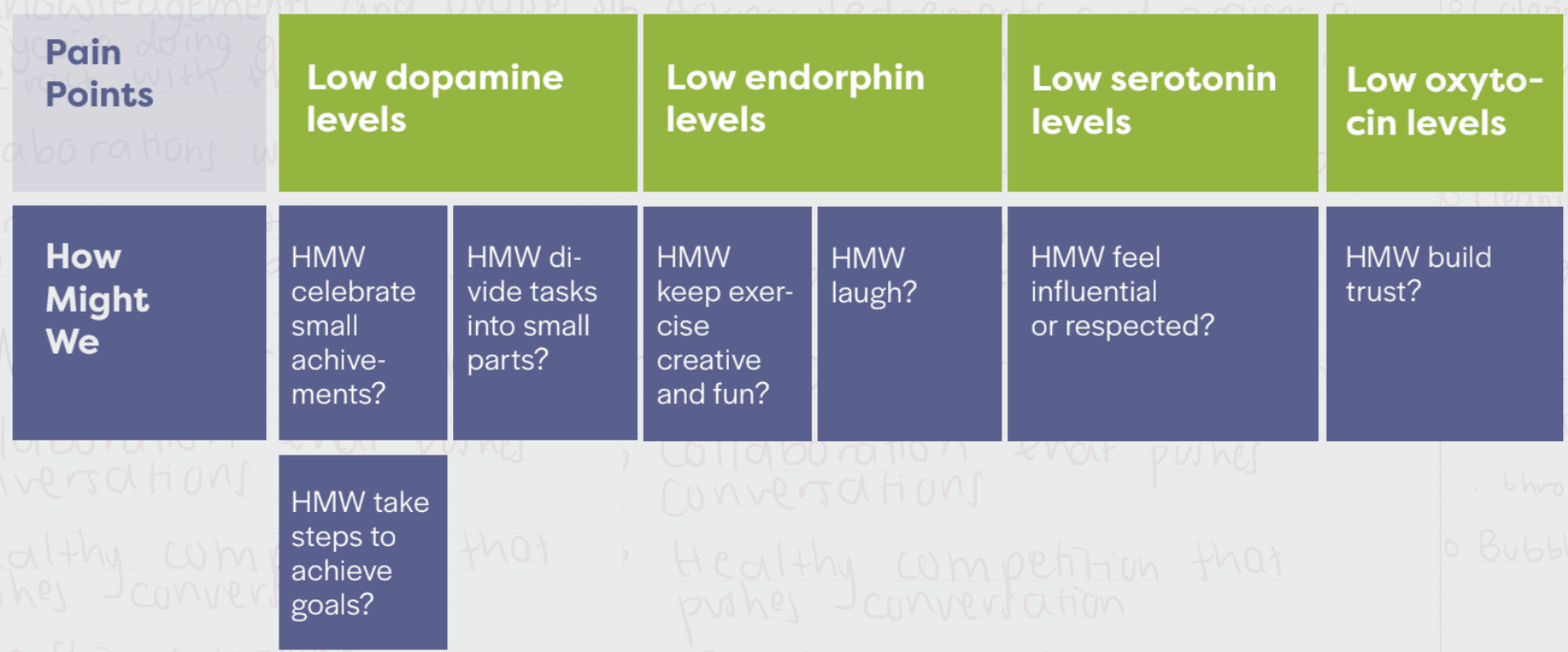
The balance of key neurochemicals such as oxytocin, dopamine, endorphins, and serotonin play a crucial role
in residents’ emotional and cognitive states.
Endorphin
Laugh, but also cry when the body needs it
Exercise and stretch the body now and then
Oxytocin
Trust building in society
Verification of the developing trust
Dopamine
Celebrating small achievements
Taking steps to achieve goals
Serotonin
Praise oneself for what has been accomplished in life
Notice the greatness of one’s influence on other people
On-Field Research
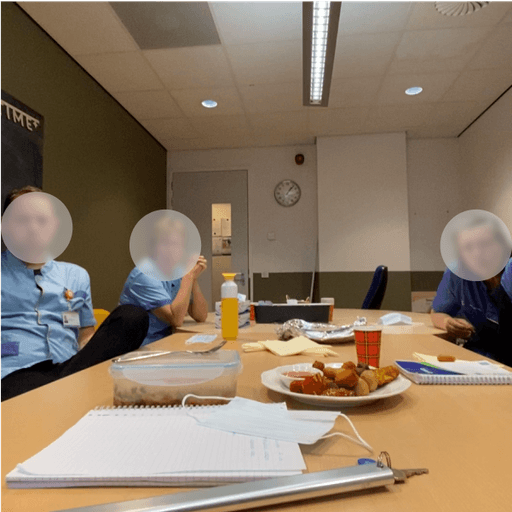
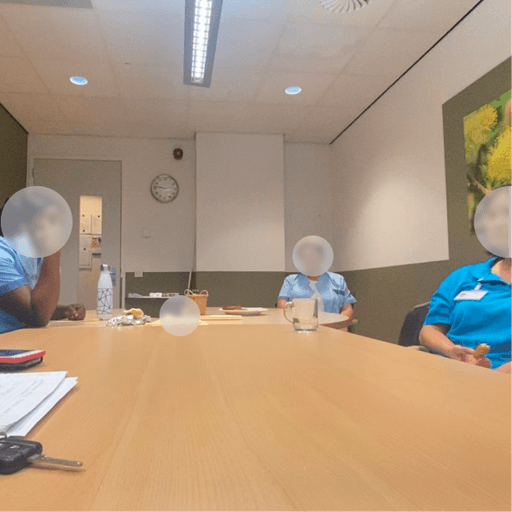
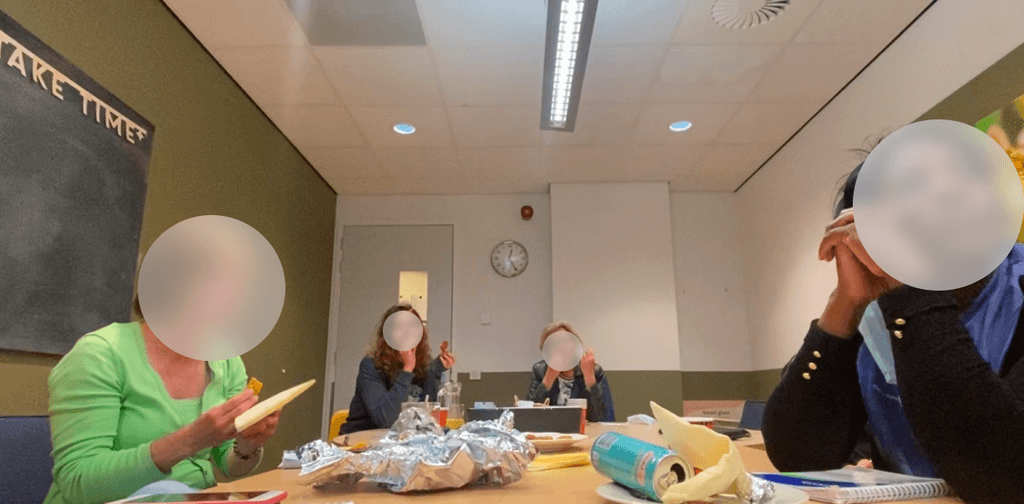
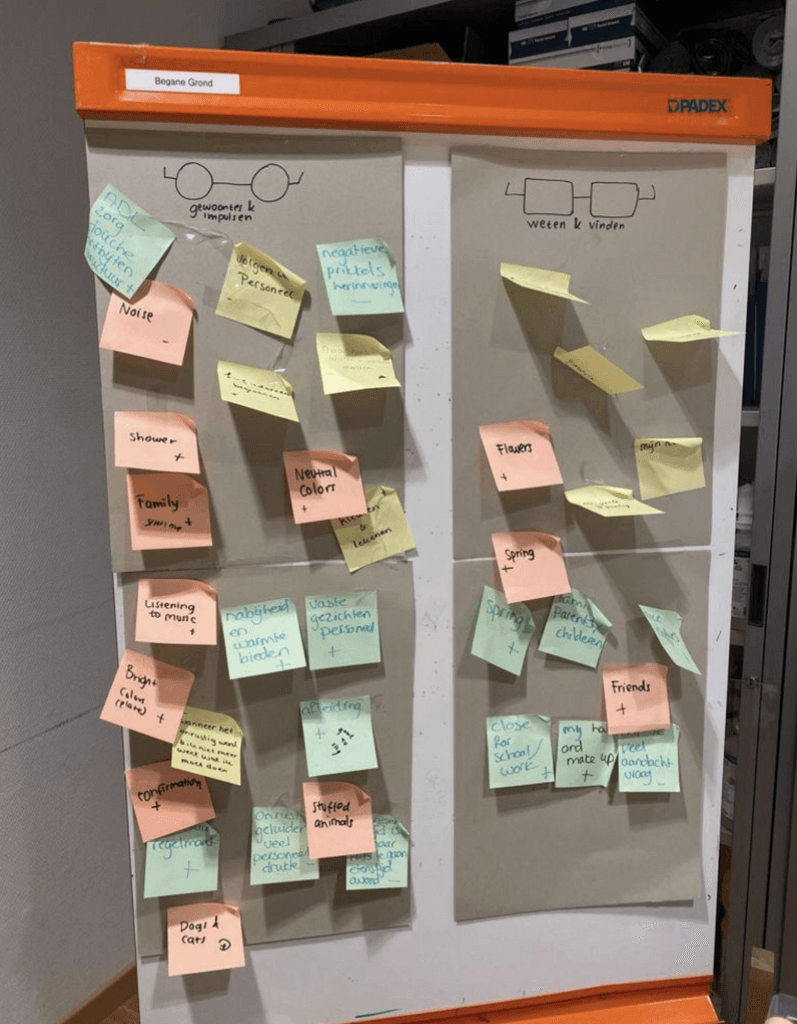
I did an extensive on-field research to validate the findings that I found online and see how it specifically can benefit the residents. This research includes workshops, observations, and focus groups involving residents, caregivers, wellness departments,
Research Results

Product Requirements
I translated all my findings into product requirements, based on their Viability, Feasability and Desirability needs. I also filtered the requirements into Hard Requirements and Soft Requirements, below are the main points that are prominent to the project.
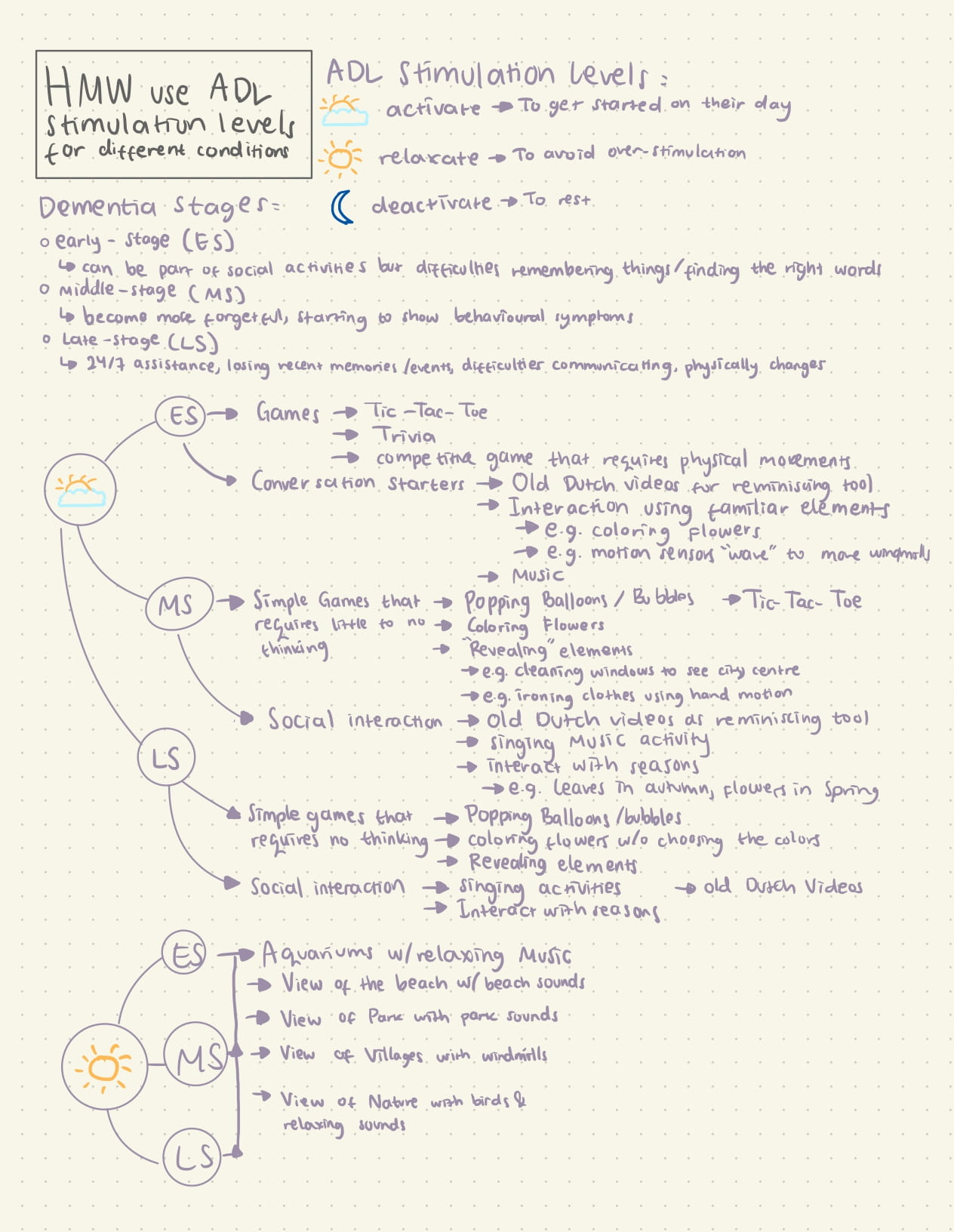
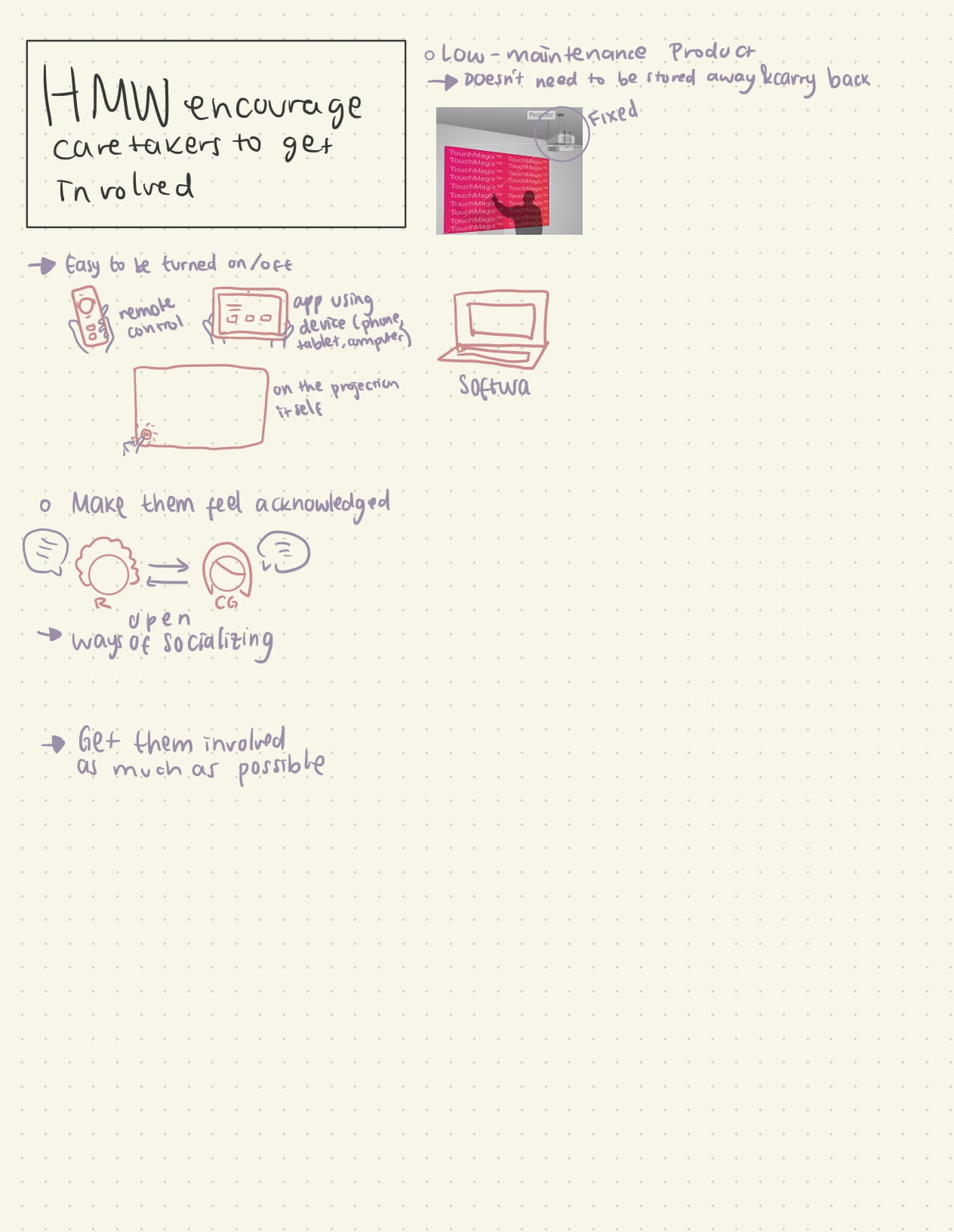
The product should accommodate to sensory-stimulation and -calming needs at different times of the day
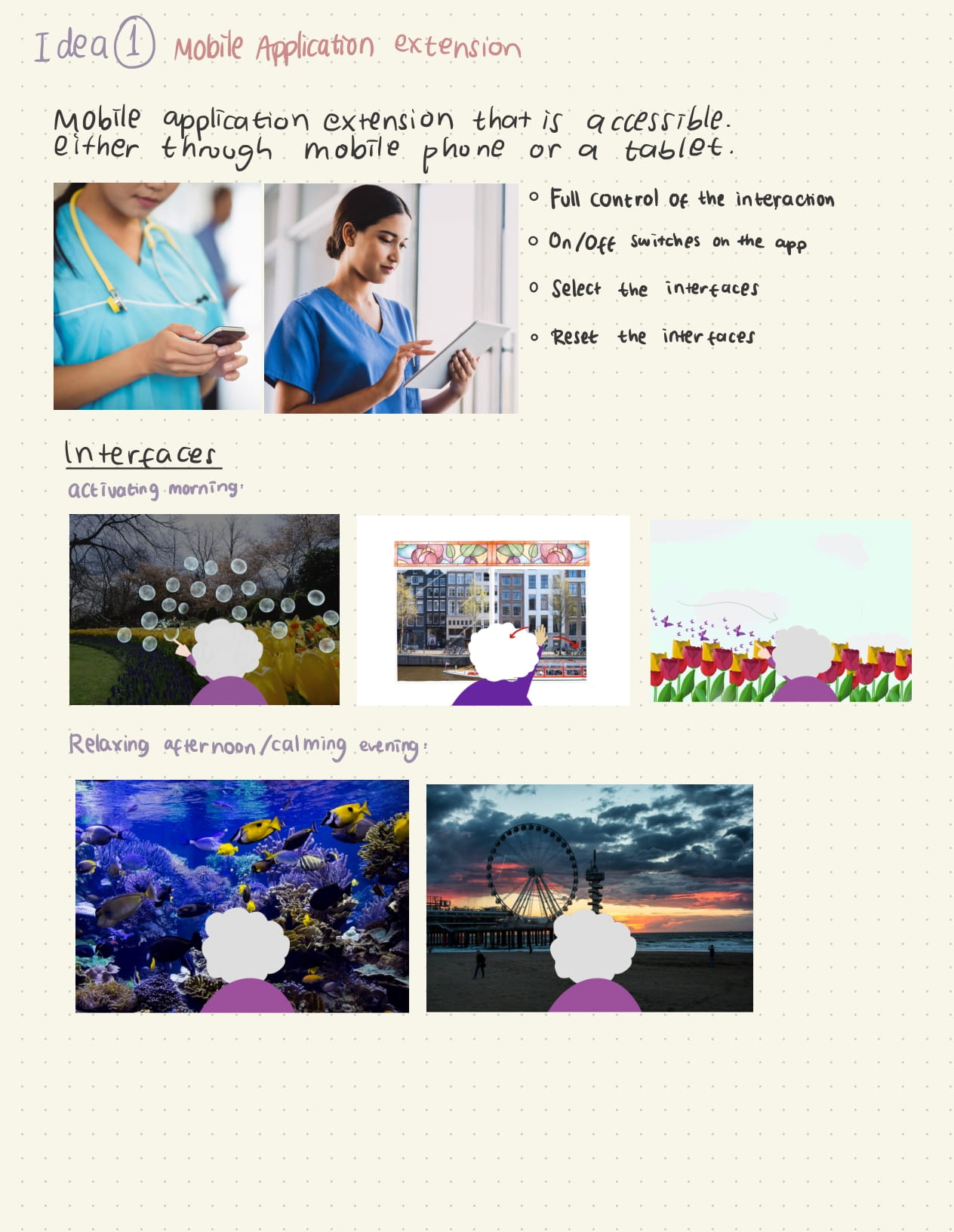
Activities should be easy for the caregivers to demonstrate
Product should encourage social interaction, problem-solving skills, and physical movements
User-Product interaction should be intuitive andfitting for aging human perception
Product should be accessible for wheelchair users
Software and hardware should already exist
There should be opportunities for external collaboration
Viability
Feasability
Desirability
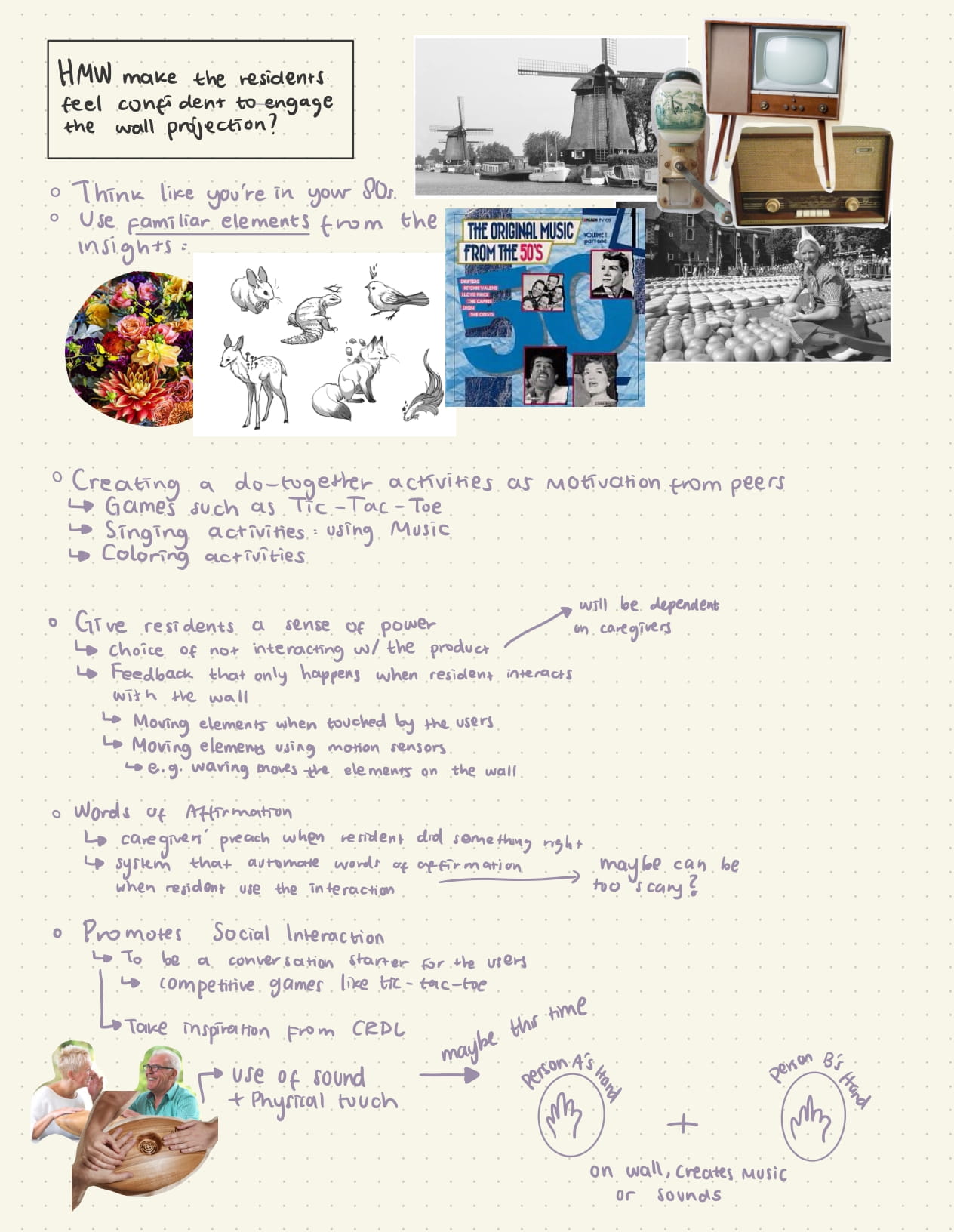
Ideation Process
The Solution
Interfaces
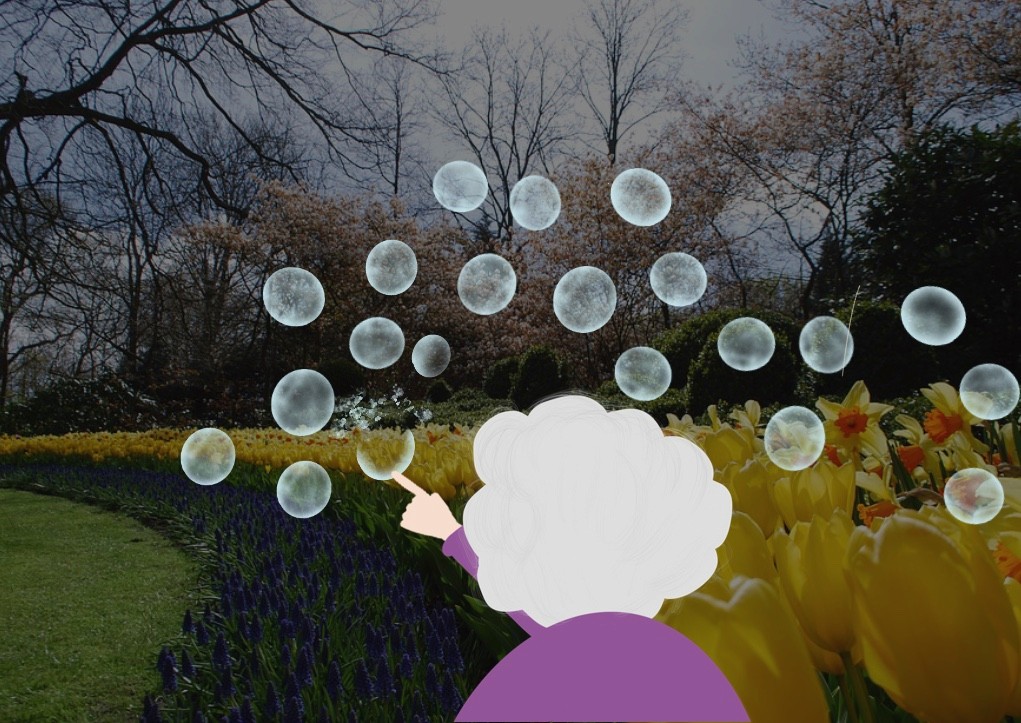
Bubble Pop
Users can interact with colorful bubbles, either individually or in a competitive game. When touched, each bubble produces a soft "pop" sound, enhancing the sensory experience.
Purposes
Stimulates Oxytocin: Encourage collaboration or competition
Stimulates Dopamine: Stretching and Moving the body, and laughing
Stimulates Endorphin: the excitement of what happens when they touch the bubbles
Stimulates Serotonin: the joy of getting the reward after the “pop” sound / “who pops the most!”
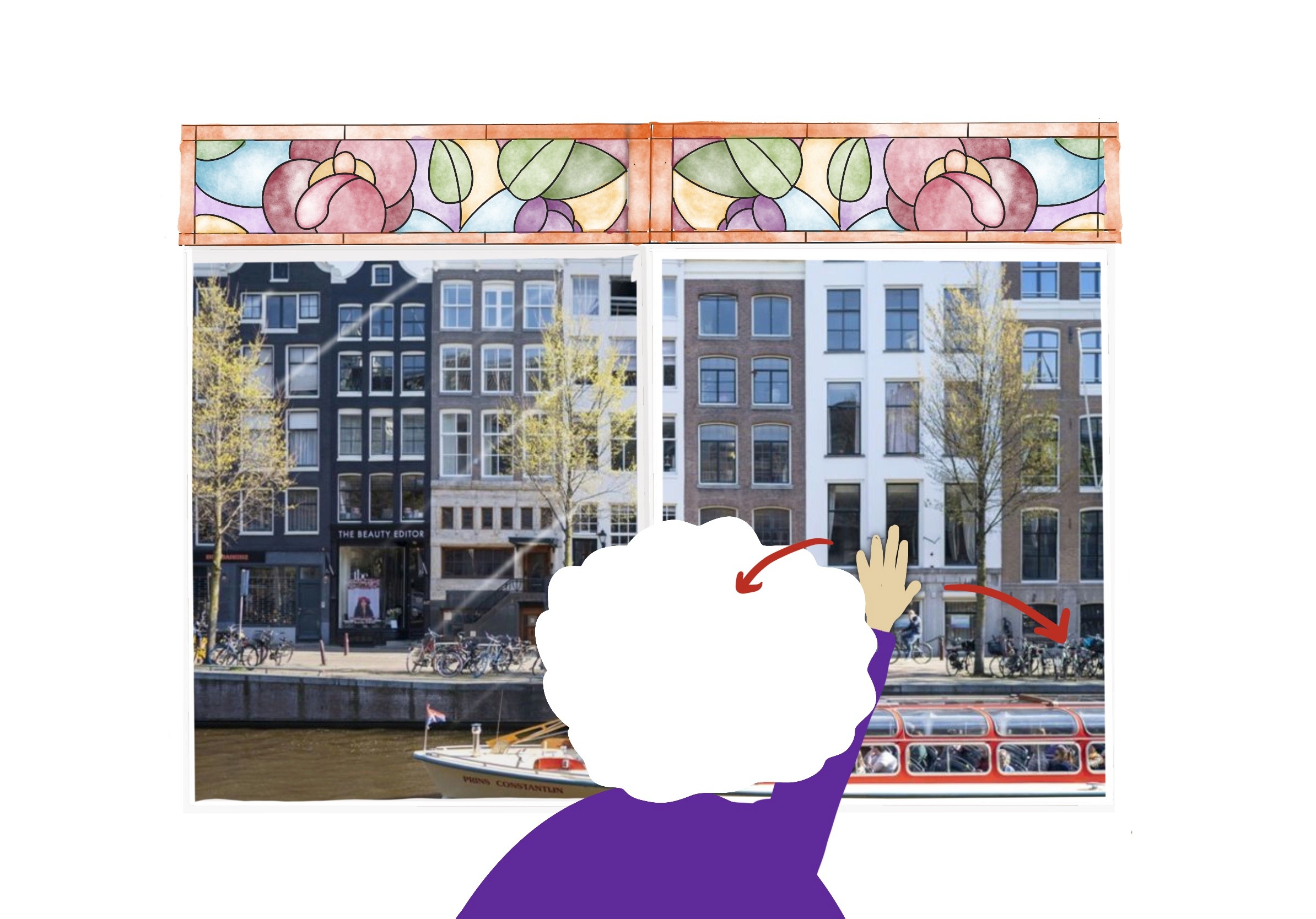
Cleaning Windows by The Canal
This interface invites users to clean a dirty window, revealing a view of classic dutch houses by the canal.They can enjoy the sounds of bike bells and bustling city, creating a nostalgic and immersive experience that connects them to familiar surroundings.
Purposes
Stimulates Oxytocin: Encourage collaboration orcompetition
Stimulates Dopamine: Stretching and Moving the body, and laughing
Stimulates Endorphin: the excitement of what happens
when they “clean” the window
Stimulates Serotonin: The curiousity of what’s behind the dirty window, or the joy of getting reward “who’s the fastest cleaner!”
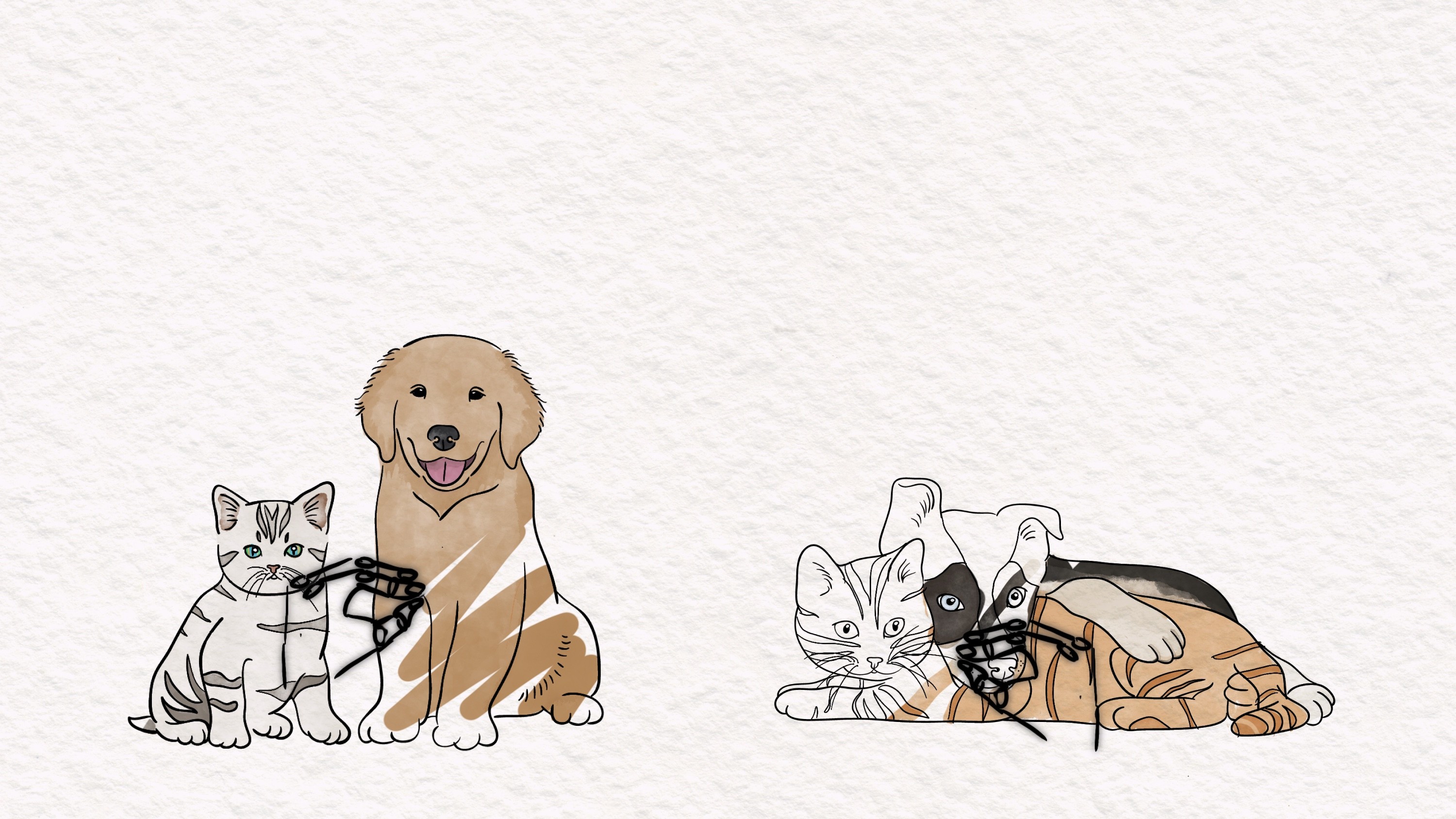
Painting the Walls
With this interface, residents can "color" the walls using just their hands, accompanied by playful sounds like a "meow" and a small “woof”. This allows them to reminisce about their pets or joyful moments from their youth, fostering emotional connection.
Purposes
Stimulates Oxytocin: Encourage collaboration, competition, or conversations
Stimulates Dopamine: Stretching and Moving the body, and
laughing
Stimulates Endorphin: the excitement of what happens
when they touch the dog/cat
Stimulates Serotonin: The curiousity of what color the pet will be
Prototype
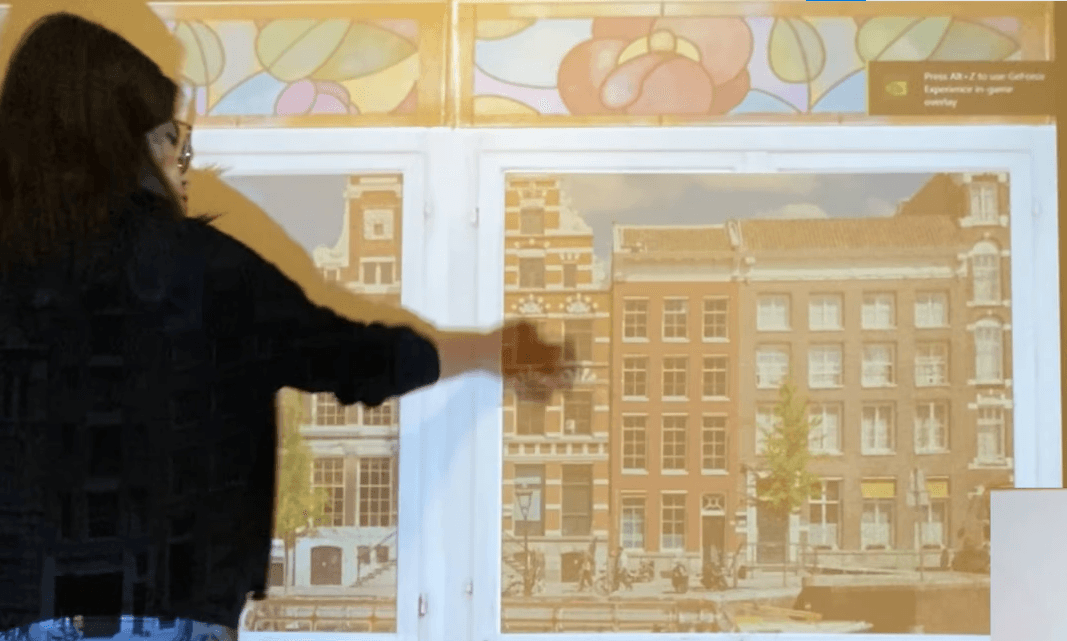
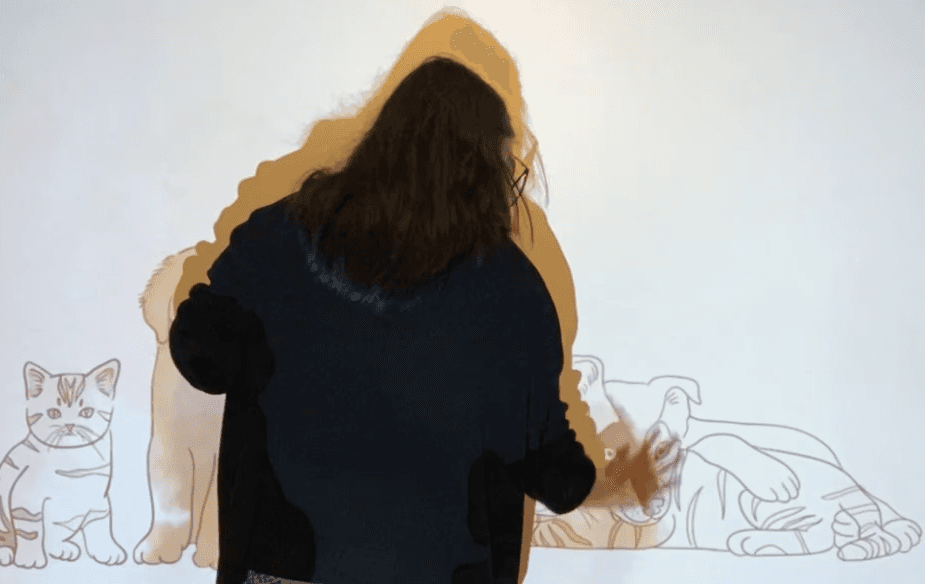
I build up the prototype on the darkest hallway they have in the facility so the color is more vibrant. Because I'm not allowed to mount anything on the wall or ceiling, I made up a quick solution for the projector set-up using a projector, a stand, and a sensor.
User Testing
Testing Goals
Interface's Intuitiveness
Pushes Physical Activeness
Brings Social Engagement
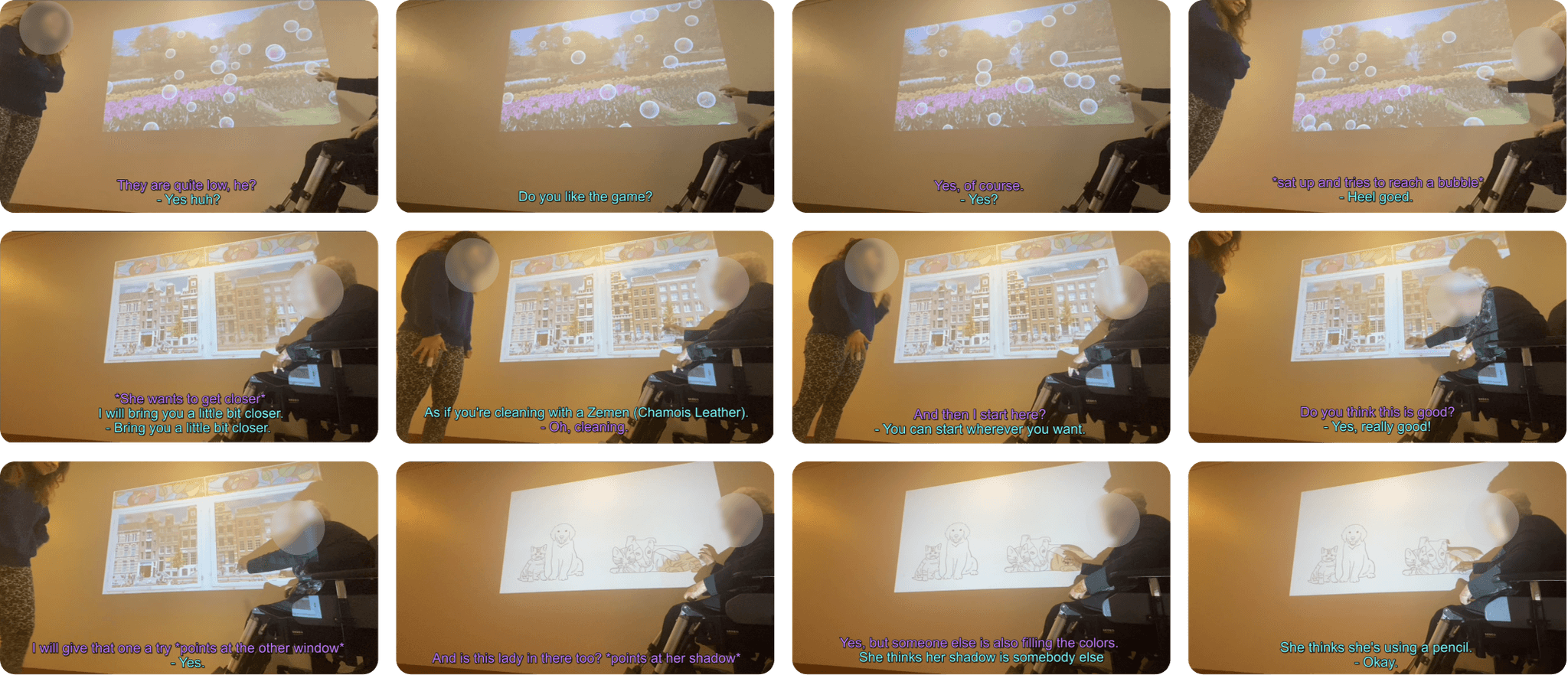
Participant
Late-Stage Dementia, who in her daily life is both socially and physically inactive.
Result
Resident showed signs of physical activeness as she reached out and wishes to move their wheelchairs to interact with the product. Though, because of the shadow, she thought someone else was doing the activity with her.
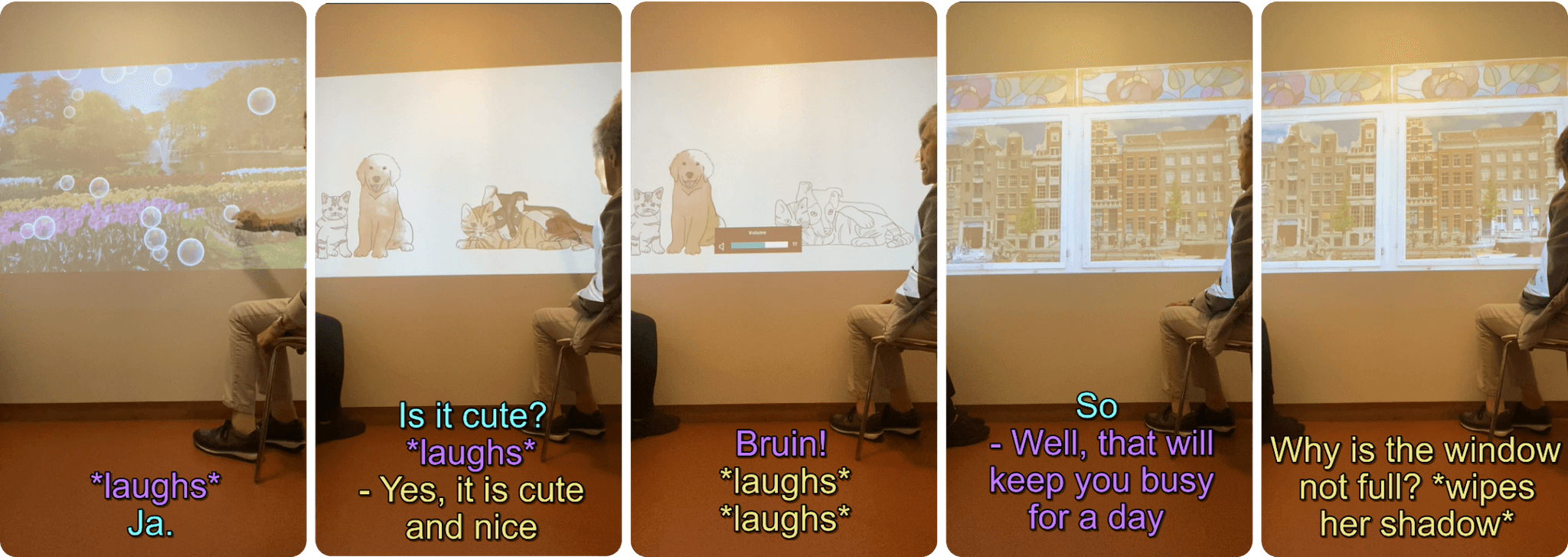
Participant
Early-Middle Stage Dementia
Result
Residents showed signs of physical activeness and social engagement, though the coloring page wall and window are still not intuitive enough for them compared to the bubble popping.
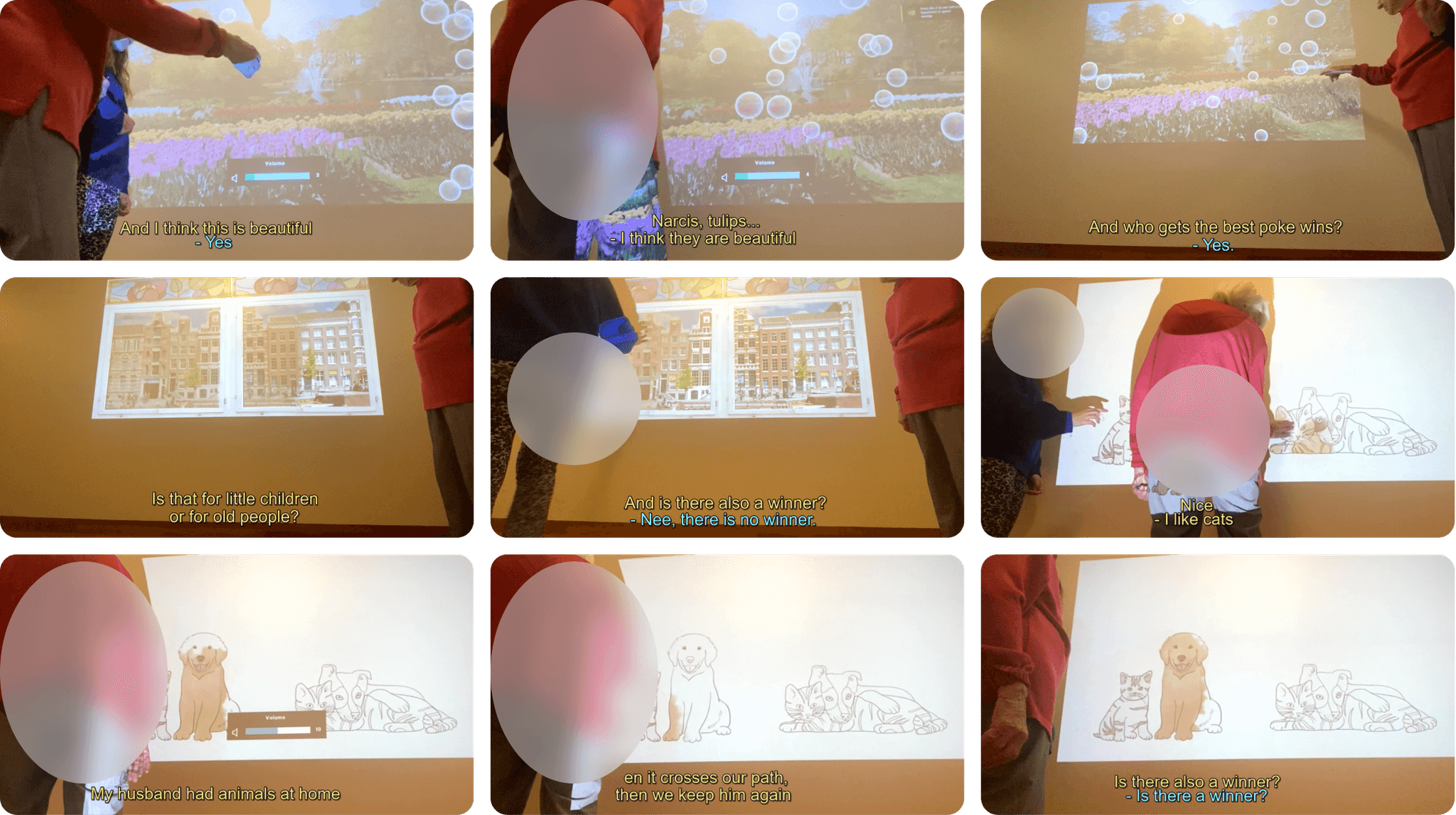
Participant
Early-Dementia
Result
This resident showed more signs of physical activeness and social engagement compared to others because she's still early in her Dementia. What's interesting was that, she wished this activity could be a competitive one as shown above where she continously asked "is there a winner?"
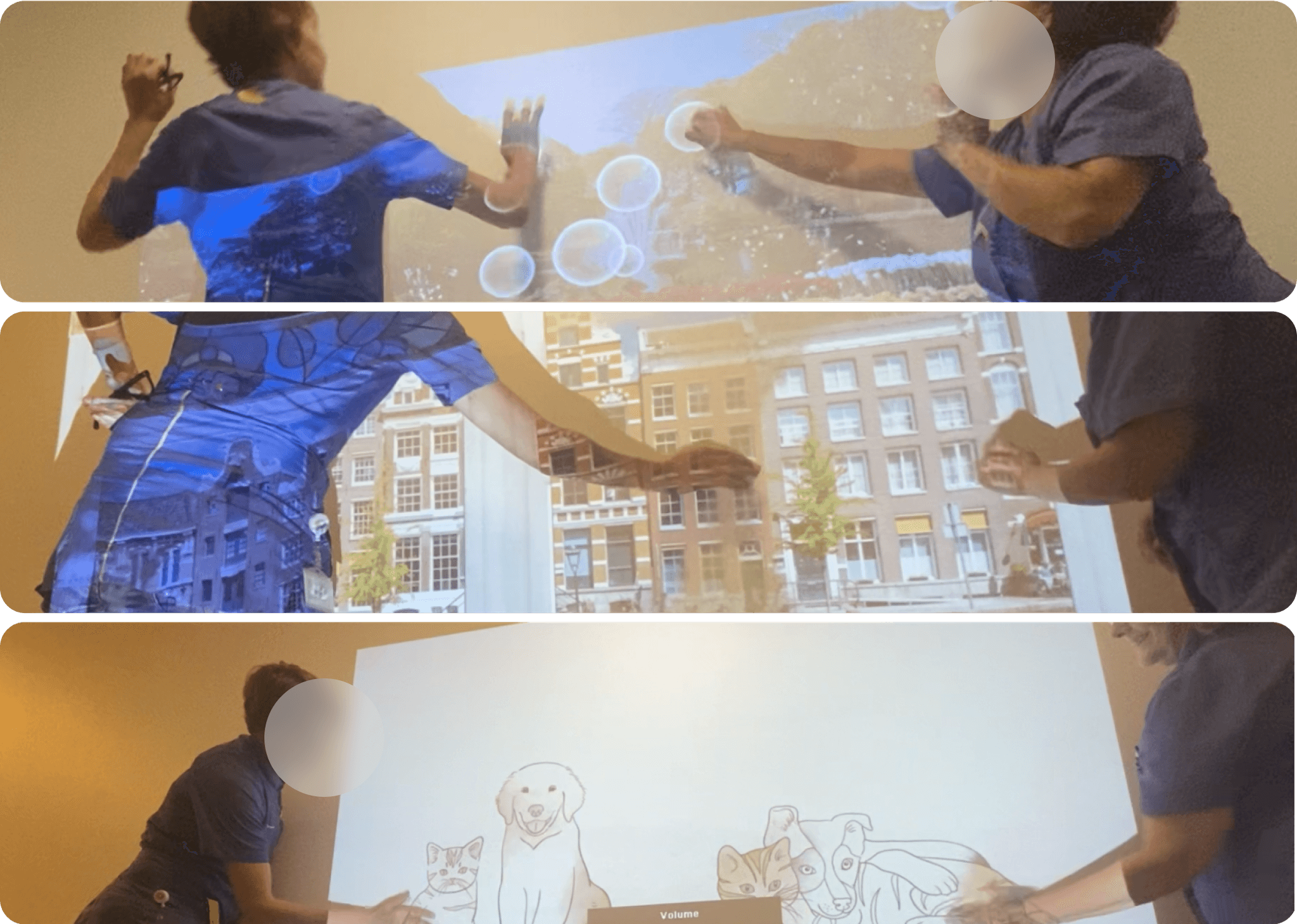
Participant
Caregivers
Result
The caregivers gave a positive feedback to the interfaces and thought this would be a product that they don't need to assist for the residents, as the residents will interact with it on their own. The feedback remains the same, about the shadow that needs to go because it would cause problems with the residents.
Impact
Residents in their middle stage dementia are socially engaged as well as actively moving, including a resident with late dementia. Next to that, caregivers believe that this product would benefit them as residents can independently interact on their own.
Roadmapping
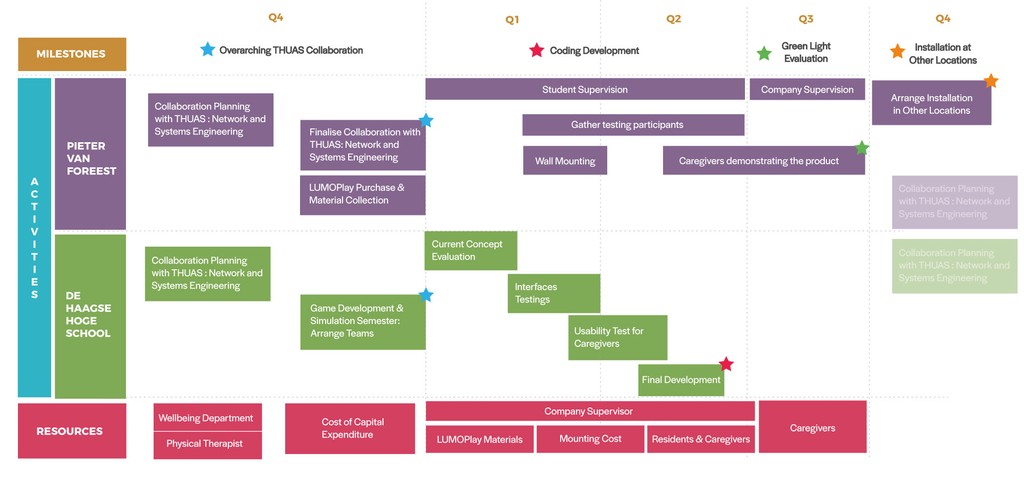
I executed a Roadmapping for further collaboration between Pieter van Foreest and The Hague University of Applied Sciences as it still needs further development. This is due to the fact that the prototype still needs to be mounted to the wall to be used effectively. That way, caregivers would be able to instantly use the product without setting up multiple objects (sensor, projection & stand)